Trade show activation
made to measure
A stand full of people isn't a goal in itself. We build the activation so that people come by, conversations start and you know afterwards who has been by.
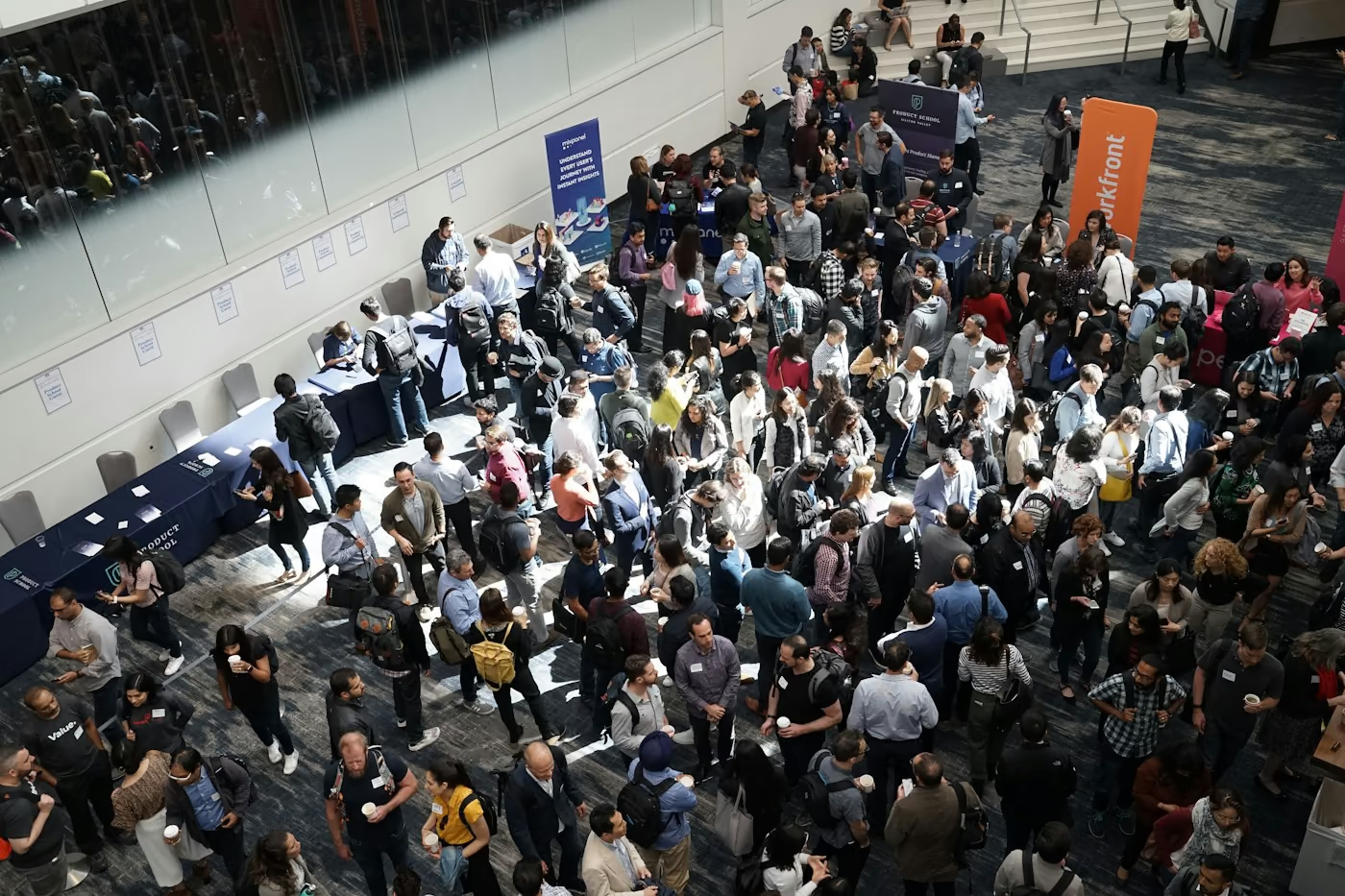
The stand is up, now what?
A lot of money and preparation goes into taking part in a trade show. Most of it goes into the stand: the build, the design, the transport. What happens on that stand is often the part that gets thought about last, even though it is the only thing the visitor experiences.
The result is a stand that looks good but that people walk past. Someone stands there with a flyer, a screen shows a film nobody watches to the end, and at the end of the day nobody knows exactly who has been by.
- A reason to slow down, not just something to look at
- Registration that visitors want to fill in themselves
- Support on the floor during the show days
- Contacts delivered in a usable form
An activation is more than the show day
Before the show
Give people a reason to drop by. An invitation that refers to what there is to do on the stand works better than an invitation that only mentions the stand number.
On the floor
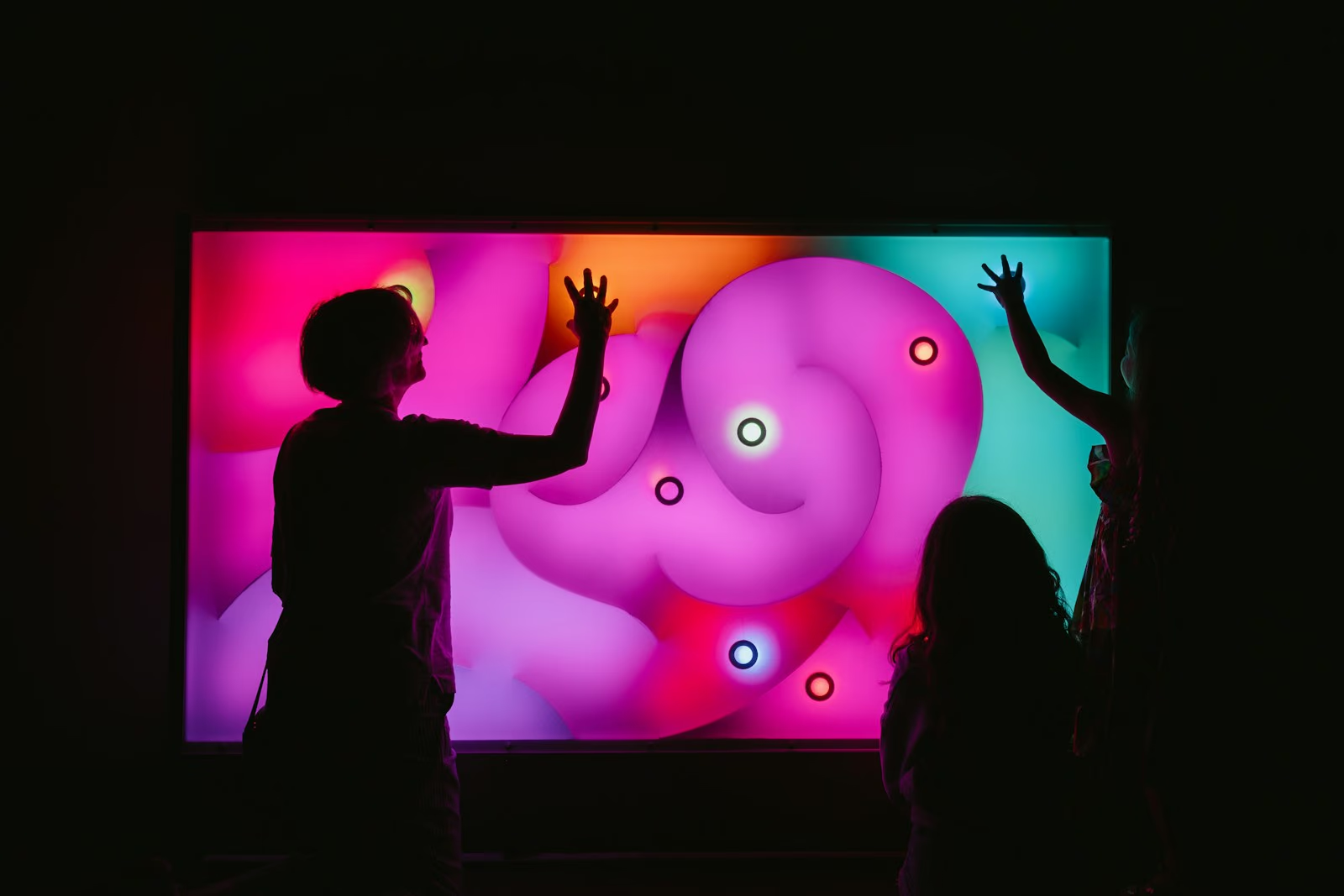
Something that makes people slow down and opens a conversation. That can be a game, but also a demonstration or an act, depending on what you sell.
Registration
Recording who has been by, in a way that benefits the visitor too. Without this part, all you are left with is a feeling that the day was busy.
After the show
The contacts in a form you can use straight away, with some context: what someone responded to and which question came up most often.
An interactive exhibition stand without a new stand
An interactive exhibition stand doesn't require anything to be rebuilt. Your stand stays as the stand builder puts it up. We add what gets visitors involved: a screen with a game or quiz, a registration point that goes with the game, and an overview where the stand team can see who has been by.
We agree the equipment, power and internet needs with the stand builder beforehand. On the show days we run the technology, so your own people talk to visitors rather than to a tablet that has frozen.
Only looking for the game element? Take a look at our game for your exhibition stand.
First the goal, then the format
The first conversation isn't about what we are going to build. It is about who is walking around at that show, what you sell and what a successful day would look like. A manufacturer who wants twenty serious conversations needs something different from a brand that wants to reach as many people as possible.
Then we design the concept, build whatever needs building and test it before it goes onto the floor. On the show days one of us is there, so your own people can talk to visitors rather than to the technology.
A compact activation starts at €195. Larger productions cost more, and we'll tell you that before anything is built.

Frequently asked questions
What is the difference between a trade show activation and a trade show game?
A trade show game is the part on the stand itself that visitors take part in. An activation is the whole picture around it: why people come to the stand, what happens on the floor and what happens to the contacts afterwards. A game is often the centrepiece of an activation, but it isn't the only thing you need.
When should we start on this?
Six to eight weeks before the show is a good lead time, because there's still time to build and test the concept. Shorter is possible too, but then we're more likely to reach for a set-up that already exists and adapt it. What isn't possible in two weeks is having something completely new produced.
Do you also measure whether it worked?
We agree beforehand what we're aiming for: number of participants, number of usable contacts, or the quality of the conversations. Afterwards you receive those figures plus what we saw on the floor. What we don't do is predict a return that we can't substantiate.
Do you work with our stand builder and our marketing team?
Yes, that usually works best. We don't build the stand, so we coordinate on power, space and sightlines. With a marketing team we look at the invitation beforehand and the follow-up afterwards, so that the activation isn't separate from the rest of the campaign.
Tell us about your plan
Interested in trade show activation? Fill in the short form and we'll send a price estimate within 1 working day.
What do you want to get out of this show?
Tell us which show it is and who you want to speak to, and we'll help you think it through, with no obligation.