Street theatre
that sticks
A performance in public space that passers-by stay to watch. Made around the theme of the day, not pulled from an existing repertoire.
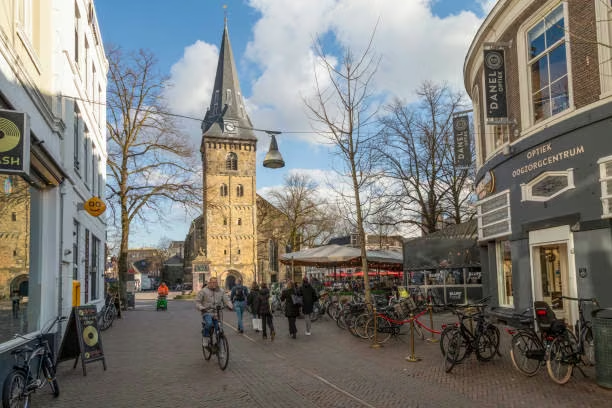
An audience that didn't come for it
In a theatre the audience is already seated. On the street it is exactly the other way round: people are on their way to the baker or to their car and haven't bought a ticket. Everything you perform therefore has to make clear within the first minute why it is worth stopping for.
That calls for a different structure. Short scenes, plenty of visuals, and a story you can pick up halfway without having seen the start. We write the performance accordingly, rather than moving a theatre piece outdoors.
- Built to make passers-by stop
- Can be played several times a day
- Around the theme of the municipality or the event
- Can be performed indoors and outdoors
From a single spot to a route
Performance in one spot
A self-contained piece that people gather around. Lasts twenty to forty minutes and is played several times a day.
With the audience involved
Spectators are given a role or a task. Needs more direction, but results in a performance that people were part of themselves.
Story through the street
Several short scenes in different places, which together form a storyline. Suitable for shopping areas where the public is walking through anyway.
Around a theme
Linked to a municipal theme, an anniversary or a season, so that it fits with the rest of the programme.
What we arrange and what we don't
We make the performance, provide the performers and bring whatever set and materials are needed. What we don't do is apply for the permit or cordon off the site, as that is handled by the organisation or the municipality. We do let you know in good time how much space and what power we need.
With a municipal programme we also look at the rest of the day. If there is a stage with music further along, we plan our performance moments around it. Two things that demand attention at the same time both cost audience.
A compact performance with a few show moments starts at €195. Multi-day programmes or larger productions cost more. After the first conversation you'll get a concrete price.
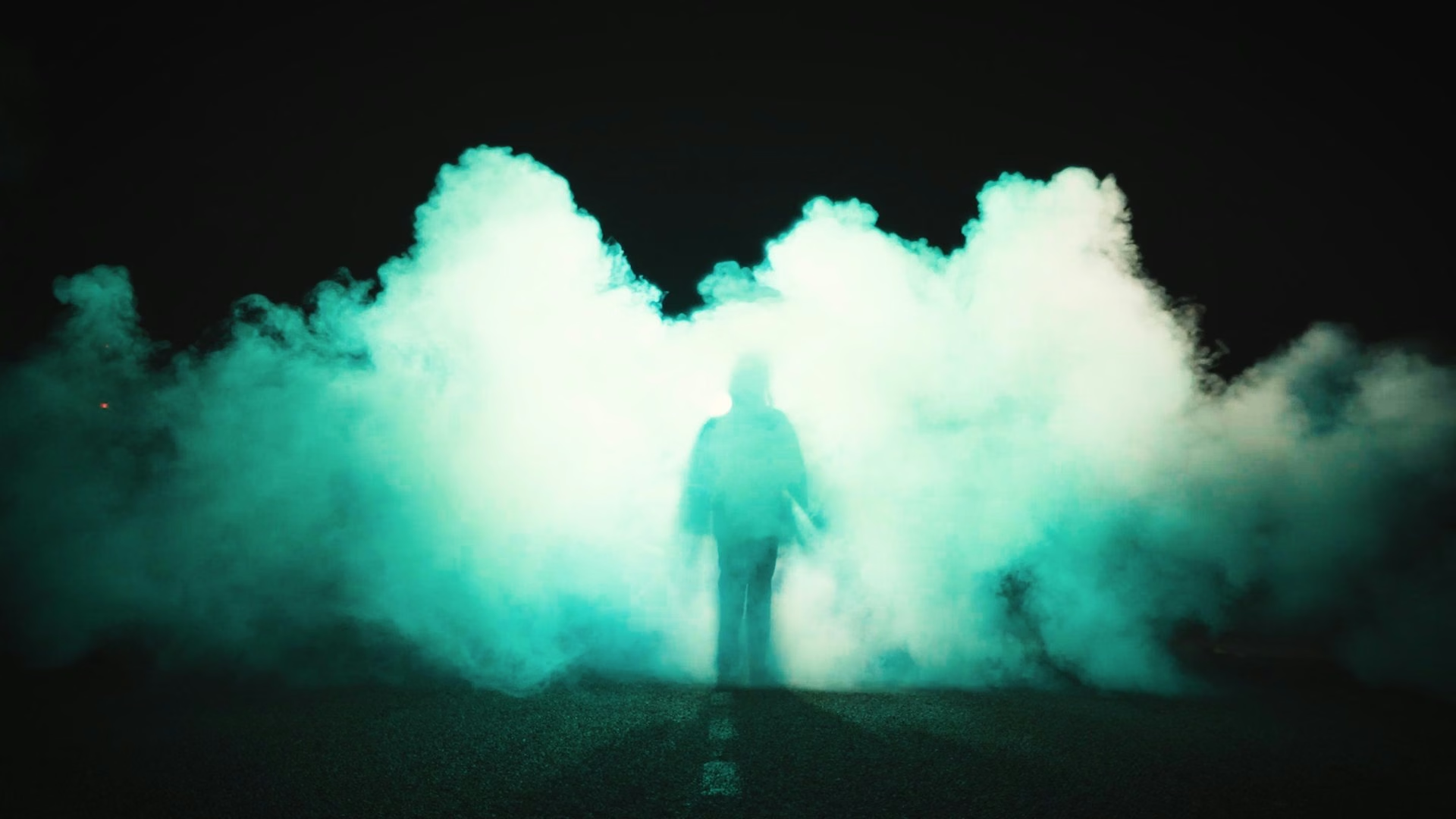

Look at the place first, then write
A performance on the street stands or falls with the place. Where does the audience come from, where is the sun, where is a wall that bounces the sound back, and where is there still traffic. That determines how big we can play and where the performers come from.
Only then do we write. The piece is built so that the first minute is mainly meant to make people stop, followed by a storyline that is also easy to follow for those who join later. There is always a moment when the audience does something themselves, even if only counting along or answering, because people who have joined in once stay put.
We rehearse in a comparable space and walk through the site with the organisation the day before. That takes an hour and prevents most surprises, such as a stall that turns out to be standing exactly on the performance spot.
How we combine story and location can be seen in our own productions with actors on location.
Frequently asked questions
Do we need a permit?
Whether you need a permit depends on the municipality and the location. At an event that is already permitted it usually falls under that permit, but for a stand-alone performance on the street it often doesn't. We know what space and power we need, but the application itself goes through the organiser or the municipality.
What if it rains?
In light rain it can go ahead, in heavy rain or wind it becomes unsafe and unappealing to watch. We agree beforehand when we'll talk it over and whether there is an indoor place to move to, so that the decision doesn't have to be made at the last minute.
How do you get people to keep watching?
By starting small. The first minute is meant to make a handful of people stop, because as soon as a little group is standing there, others join. A performance that starts at full strength straight away on an empty pavement rarely works.
Tell us about your plan
Interested in street theatre? Fill in the short form and we'll send a price estimate within 1 working day.
What is the theme of your day?
Tell us about the location and the programme, and we will write something around it.