Gamification
that is about something
Points and a scoreboard are not a strategy. We start with the behaviour you want to see and build the game format around it, physical or digital.
Sticking points onto something dull doesn't work
The most common set-up is to take an existing process and lay points and badges on top of it. In the first week everyone joins in, then it fades away. That is because the points mean nothing: there is no choice in it, no tension, and nobody can lose anything.
We reverse the order. First what needs to change, then which game format makes that behaviour the most obvious, and only then what it looks like. Sometimes the outcome is a physical game on a single day, sometimes something that runs for weeks.
- Starts with the goal, not the game format
- Physical or digital, depending on the situation
- What we steer on is agreed in advance
- For marketing campaigns and internal programmes
Four mechanics that really do something
Making progress visible
People finish something sooner when they can see how far along they are. Works for processes that would otherwise stall halfway, such as an onboarding programme.
Internal competition
Between teams or branches, not between individuals. At an individual level it creates a tension you usually don't want.
Immediate feedback
Knowing straight away whether something went well instead of only afterwards. This is usually the part that makes the most difference.
A story around it
A thread that connects the separate parts, so it doesn't remain a series of tasks but works towards something.
Outwards and inwards
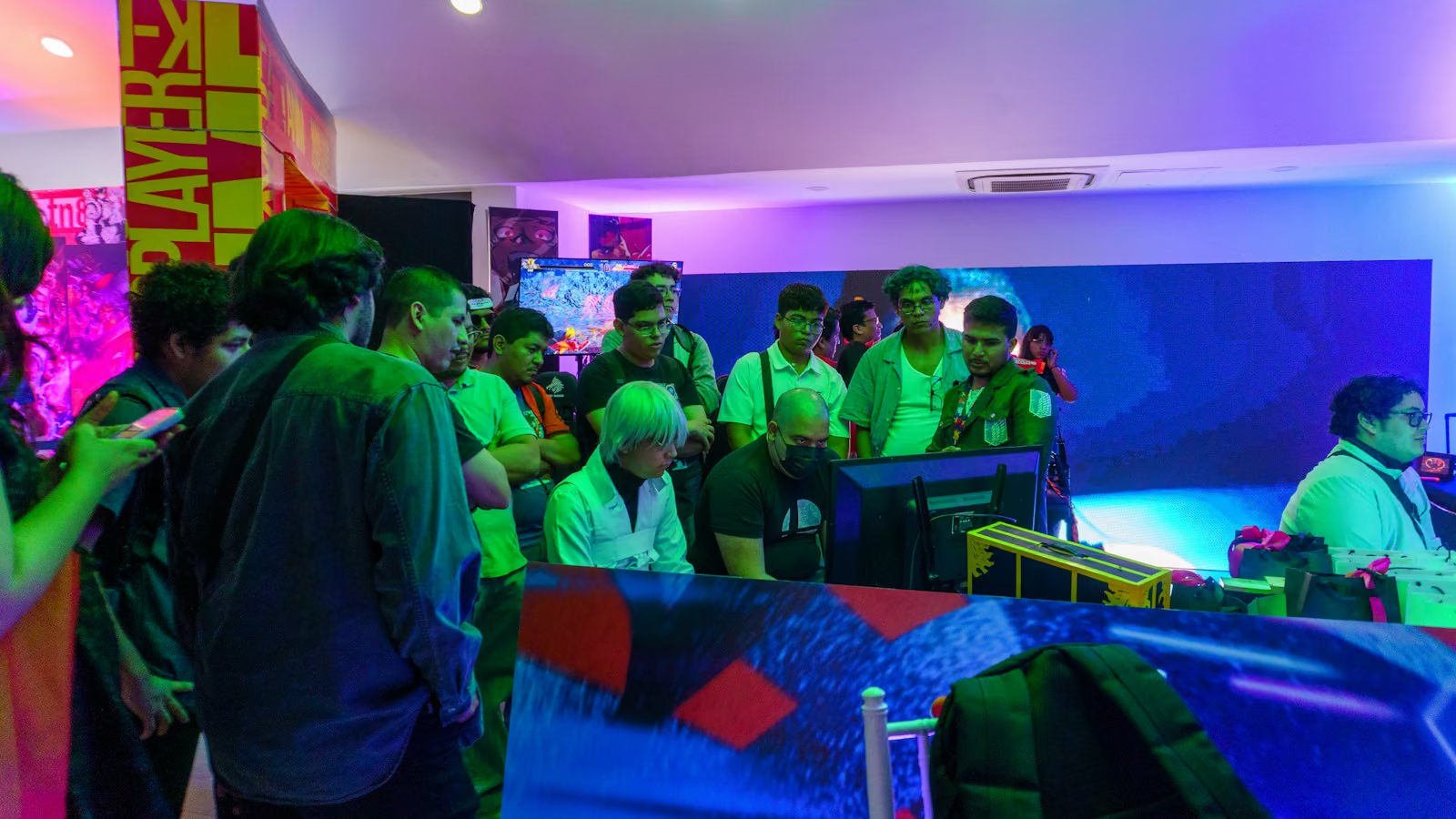
Outwards it is mostly about attention and explanation. A customer campaign where people have to do something instead of just watching, or a game at a trade show that lets visitors get to grips with the product without anyone having to give a presentation.
Inwards it is more often about something that sticks. An onboarding programme that people actually finish, a safety topic that doesn't fit in a presentation, or a subject that has already come round three times by email without result.
A compact set-up starts at €195. If it runs over several weeks or locations, it costs more and we say so before we begin.

From goal to something that works
It starts with a conversation in which we mainly keep asking questions. What is happening now, what should be different, and how would you notice that it had worked. That last question is the most important, because the whole set-up hangs on it. Without an answer to it you build something fun without knowing whether it worked.
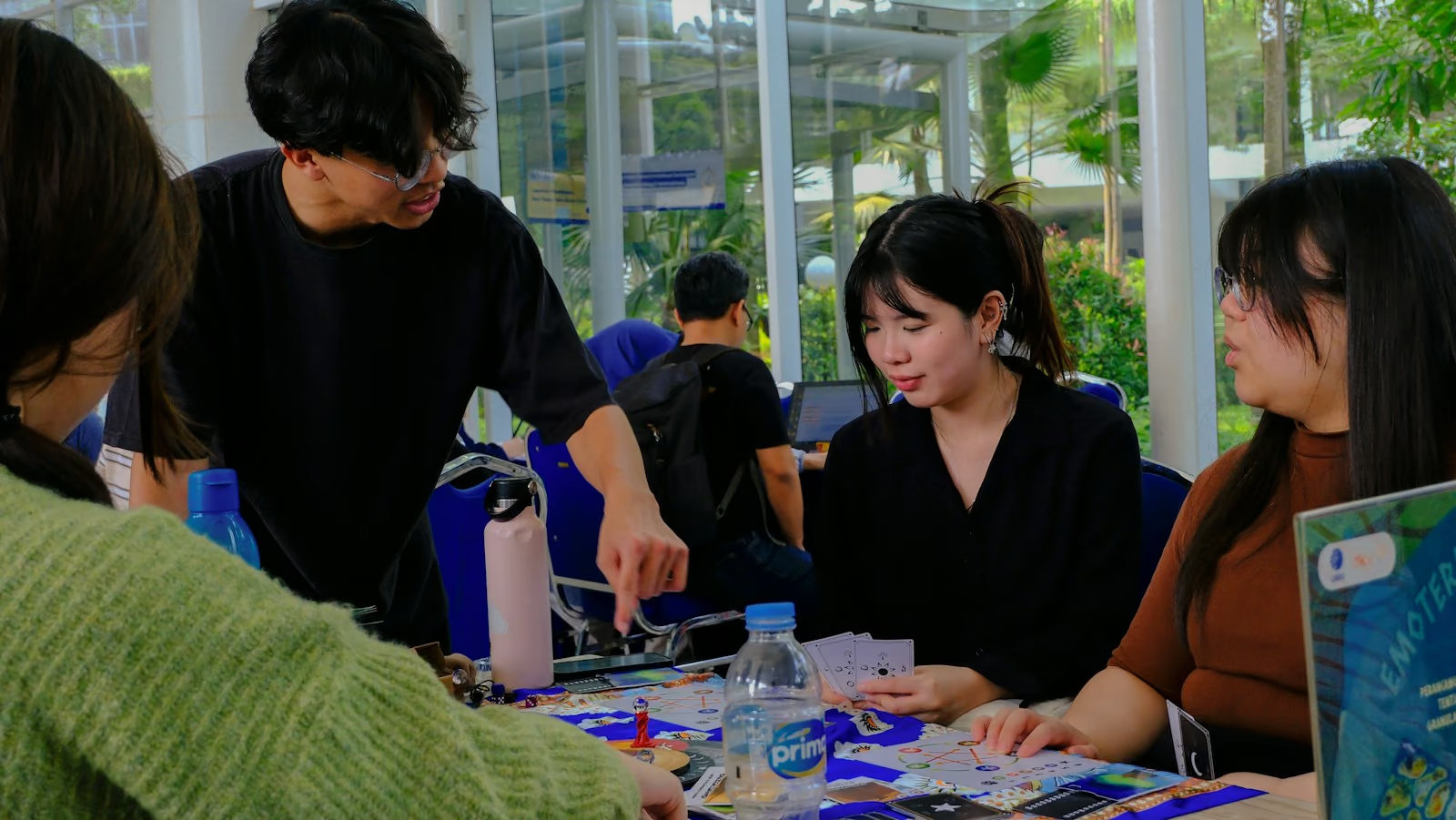
Then we make a set-up and test it on a small group. That is almost always the moment when it turns out that something runs differently from what was imagined: a task that is too easy, a score nobody understands, or a part that takes much longer than planned. Adjusting that costs little as long as nothing has been rolled out yet.
Once it is running, we check halfway whether participation is holding up. If it drops away, that is usually a sign that the reward is no longer in proportion to the effort. That can be fixed, but only if you see it in time.
Frequently asked questions
When does gamification not work?
When the behaviour you want to see isn't really there. Points and scoreboards reinforce something that is already present, they don't create interest where it is lacking. It also backfires with a group that feels monitored, because then the score becomes something to get around rather than something to reach.
Does it absolutely need an app or software?
No. Much of what we build is physical: a board, cards, a task in the room. Digital has advantages if the participants are spread out or if it runs for longer than a day, but it isn't a requirement. We choose what suits the situation, not the other way round.
What is the difference between gamification and simply organising a game?
With a game, the game is the goal: people have had a fun afternoon. With gamification the game is a means of getting something else done, for example colleagues starting to use a procedure or visitors understanding a product better. The form looks similar, the set-up does not.
Tell us about your plan
Interested in gamification? Fill in the short form and we will send a price estimate within 1 working day.
Which behaviour do you want to see?
Tell us what needs to change, and we will devise the game format that goes with it.