What is brand activation? Meaning, forms and how to measure it
Brand activation means people do something with your brand instead of just looking at it. What exactly it is, what forms there are and how to measure whether it delivered anything.
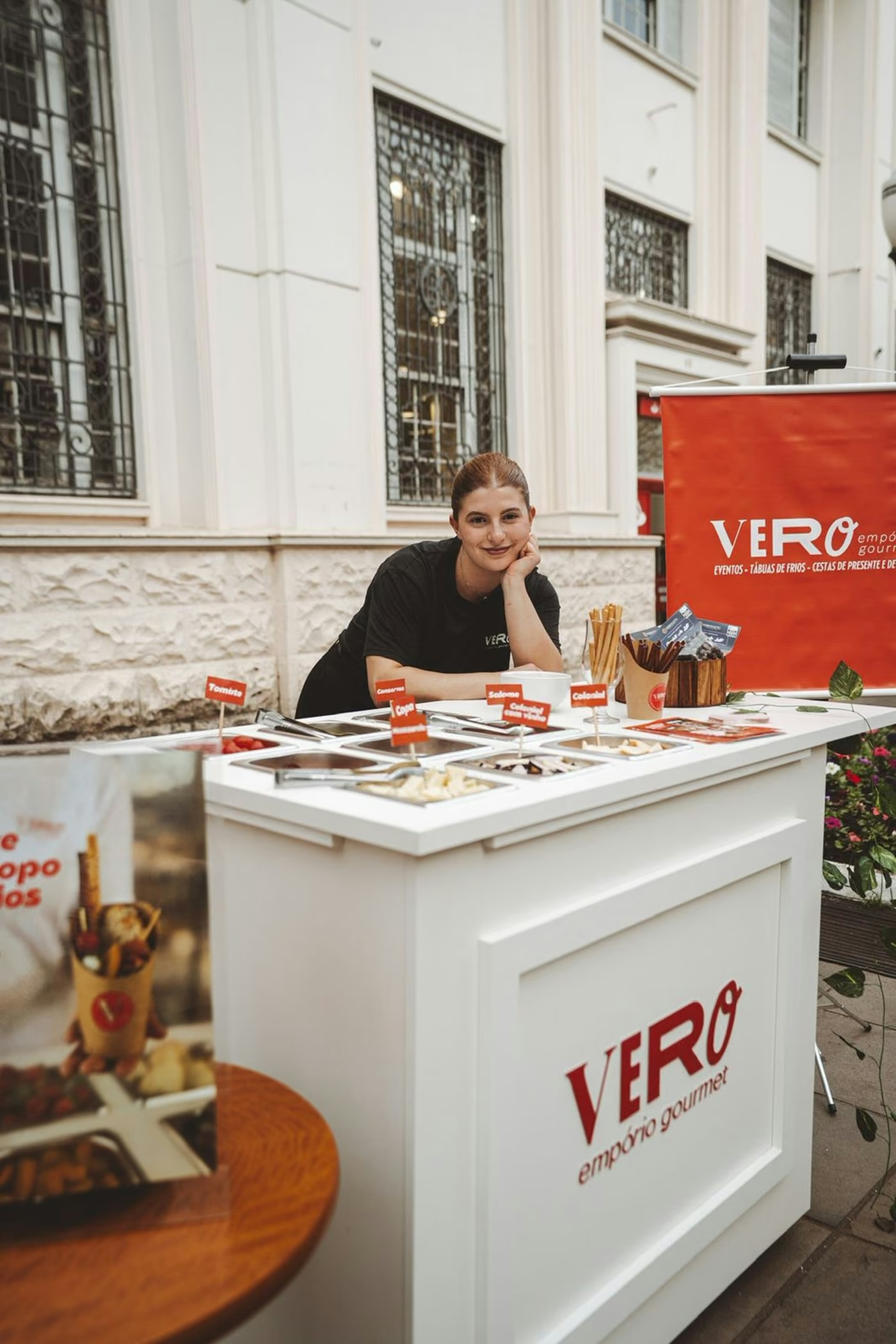
Brand activation is a form of marketing in which people do something with your brand, instead of just seeing an advertisement for it. They taste a product, play a game on an exhibition stand or spin a prize wheel.
What is brand activation?
Brand activation (merkactivatie in Dutch) is any action where the public does something themselves that's connected to a brand. A poster in a shopping street is advertising. A stand in that same street where you can taste a new drink is an activation.
The idea behind it is simple. You remember what you've done yourself better than what you've seen. Anyone who has held a product or played a game knows afterwards what the brand does and how it felt. And because there's almost always someone from the brand present at an activation, a conversation starts too.
A brand activation is usually temporary and takes place where the target audience already is: a trade show, a festival, a shopping centre, a sports match. You go to the public and get them to do something there.
What's the difference between brand activation and advertising?
Advertising works through reach. An advert online or on the radio reaches tens of thousands of people, and most of them see it for a few seconds. A brand activation works through contact. In a day you may speak to a few hundred people, but they've spent a few minutes engaging with your brand.
That difference affects what you can expect from it. If you want to reach lots of people for little money, an activation isn't for you. If you want to talk to the right people, get them to try something and record their details if they agree, it's a good fit.
Brand activation is also often confused with sponsorship and with promotion. With sponsorship you buy visibility, like a logo on a shirt or a board along the pitch. The activation is what you do with that sponsorship to really involve fans with your brand. Promotion is often about a temporary discount or offer. An activation can include an offer, but the visitor has to do something for it.
Five forms of brand activation
There are many forms, but most activations fall into one of these five. Which one fits depends on your product and on where your audience is.
Sampling
Handing out samples or letting people try a product. This is one of the oldest forms and works best for products that sell themselves once someone has tasted or held them: food, drink, personal care products. The downside is that the conversation stays short. Anyone who takes a sample usually keeps walking. How to set up a sampling campaign where people do stop for a while is on the page about sampling.
Trade show game
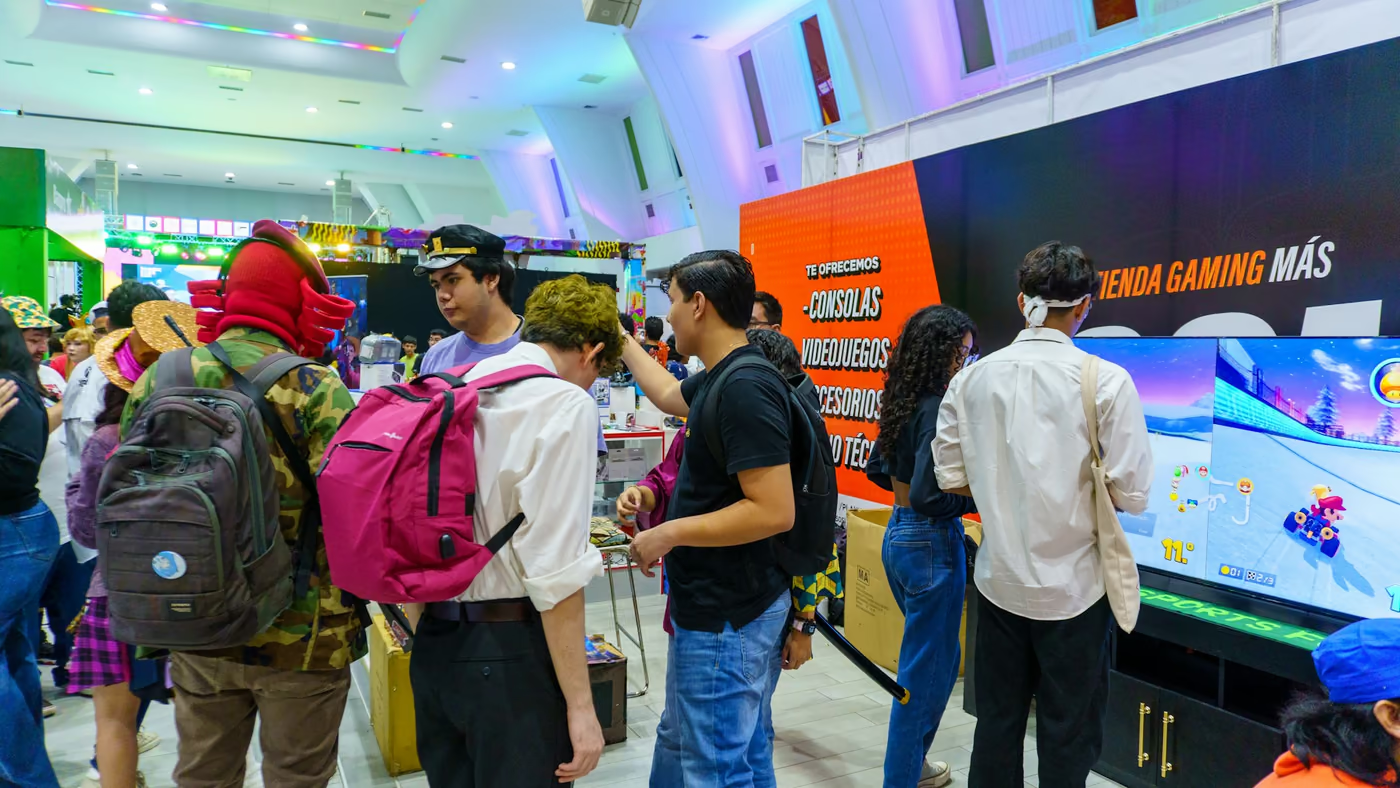
A short game on an exhibition stand, often with a scoreboard visible from a distance. Visitors stop because they want to know who's at the top, and while they play you have a few minutes to start a conversation. This works well for business products you can't show in a minute, such as software or a service. The game does need to be about your field, though. Nobody remembers a standard game with your logo on it.
Prize wheel
A wheel of fortune, physical or on a screen, where every visitor can win something. It's accessible and quick: someone's done within half a minute. That's why it suits busy places such as a shop opening or a street fair. The pitfall is that people only come for the prize. So link the spin to something small, such as a question about the product or leaving an email address with consent.
Street campaign
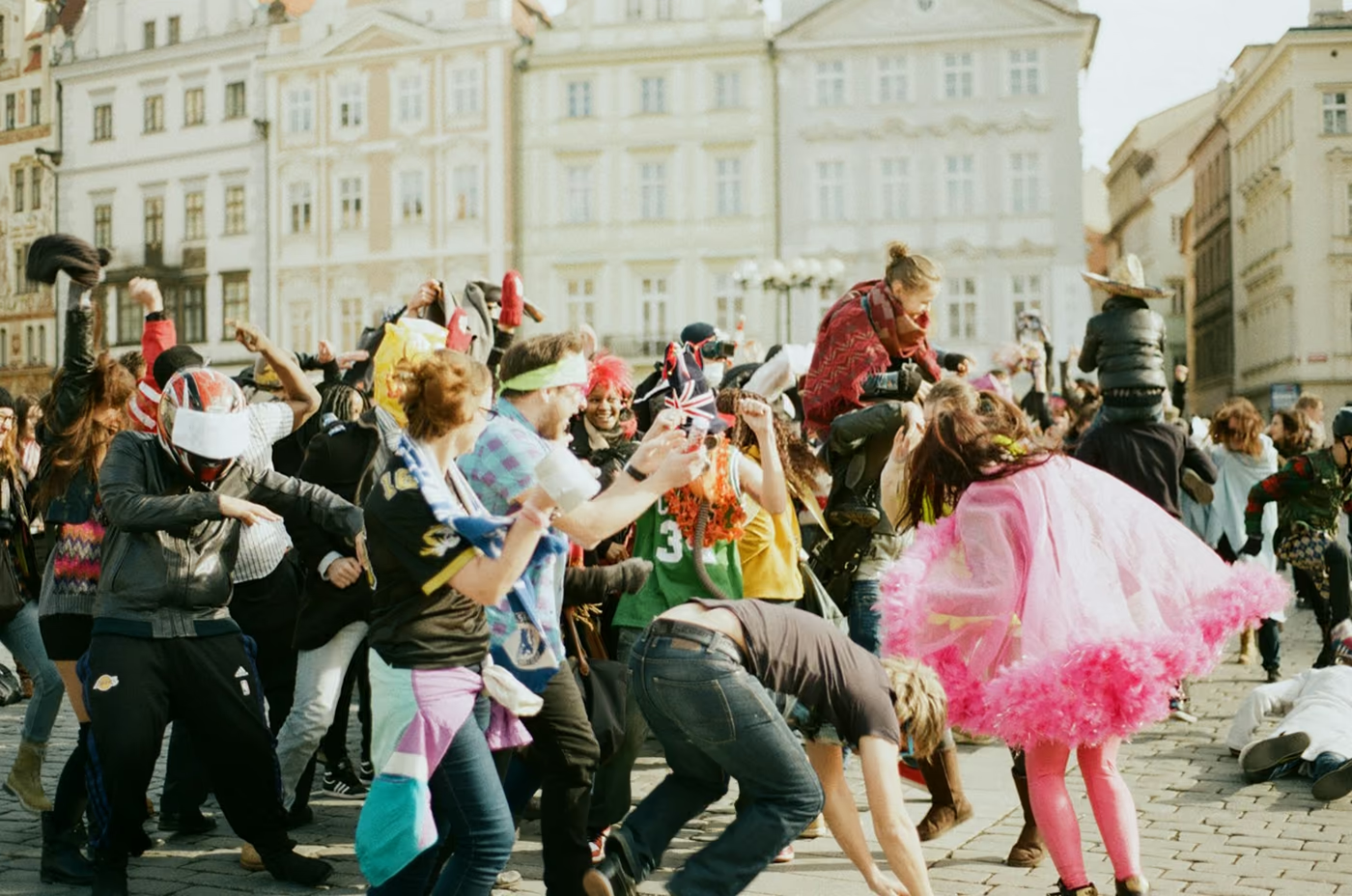
A campaign in a public space that passers-by can join in: a challenge on a square, an installation in a shopping street, a game with a scoreboard in the town centre. A street campaign stands out because nobody expects it. You do need to allow for permits from the municipality and for the weather, and you have less control over who comes by than at a trade show.
Sponsorship activation
A company that sponsors a club, team or event wants more than a logo on show. With a prediction game before the match, a quiz at half-time or a challenge in the fan zone, fans get a reason to engage with the sponsor. Many sponsors stop at the logo, so there's still a lot to gain here.
If you'd like to see worked-out practical examples for each form, also read brand activation examples that work.
How do you measure the results of a brand activation?
This is where it often goes wrong. Afterwards there's a feeling that it was busy, and not much else. So agree in advance what you're aiming for and how you'll count it. A few measures that are useful in practice:
- Number of participants: how many people actually did something. Don't count passers-by. With a digital game or prize wheel, the software counts this automatically.
- Contacts with consent: email addresses or phone numbers people have left themselves, with consent to contact them. For business activations this is often the most important figure.
- Cost per contact: divide the total amount by the number of usable contacts. You can compare that figure with what a contact costs you through other channels.
- Promo code or QR code: give participants a code they use later when buying or on your website. Then you can see how many participants actually buy something afterwards.
- Follow-up: how many contacts received a message or call within a week, and how many of those led to an appointment.
Choose one or two as your main goal. If you try to measure everything at once, you end up with a report nobody does anything with.
When does brand activation work, and when doesn't it?
A brand activation works well when your audience is together in one place and has time there. At a trade show, a festival or a sports match, people walk around who are open to something new. It also works well if your product gets better once someone experiences it, or if you want a conversation with a small, clearly defined target group.
It works less well if you want to reach as many people as possible in a short time. Advertising is better suited for that. And in places where people are in a hurry, such as a station at rush hour, hardly anyone stops for long. There, a turn has to be over within half a minute. And if the action has nothing to do with your product, people remember the campaign and not the brand.
Two rules of thumb we stick to in practice: the action has to be finished within a few minutes, otherwise a queue builds up, and the follow-up has to be arranged before the first visitor takes part.
What do you need to get started?
You need a goal (what should there be afterwards), a place where your audience is and an action that fits your product. From that follows which form is suitable, how many people are needed on the day itself and what you need to build or hire.
We design and build brand activations with a game, from trade show games to prize wheels, and are there on the day itself. We work throughout the Netherlands, from Enschede. You can read how that works on the page about brand activation.
Frequently asked questions
What does brand activation mean?
Brand activation means getting people to do something with your brand: taste, play, try out or take part in a campaign. The Dutch word is merkactivatie. The idea is that people remember a brand better if they've done something with it themselves.
What's the difference between brand activation and advertising?
Advertising takes a message to a large audience that watches or listens. A brand activation reaches fewer people, but those people do something themselves and often talk to someone from the brand. That makes it easy to collect contact details at an activation, from people you've already spoken to.
What are examples of brand activation?
Handing out samples in a shopping street, a game with a scoreboard on an exhibition stand, a prize wheel at a shop opening, a street campaign or a prediction game at a sponsored match. What they have in common is that the visitor does something themselves.
What does a brand activation cost?
That depends on the form, the number of days and how much needs to be built. A day of sampling with a small team is different from a trade show game with custom software. We'll give you the price after a short enquiry, within one working day.
Want a brand activation designed for you?
We come up with the form, build the game or installation and are there on the day itself. Tell us where your audience is and what it needs to deliver, and you'll get a proposal with a price within one working day.
Request a proposal