Insights on events, trade shows and experience
Practical articles for marketing, HR and event management. No theory, just what works in practice on the floor.
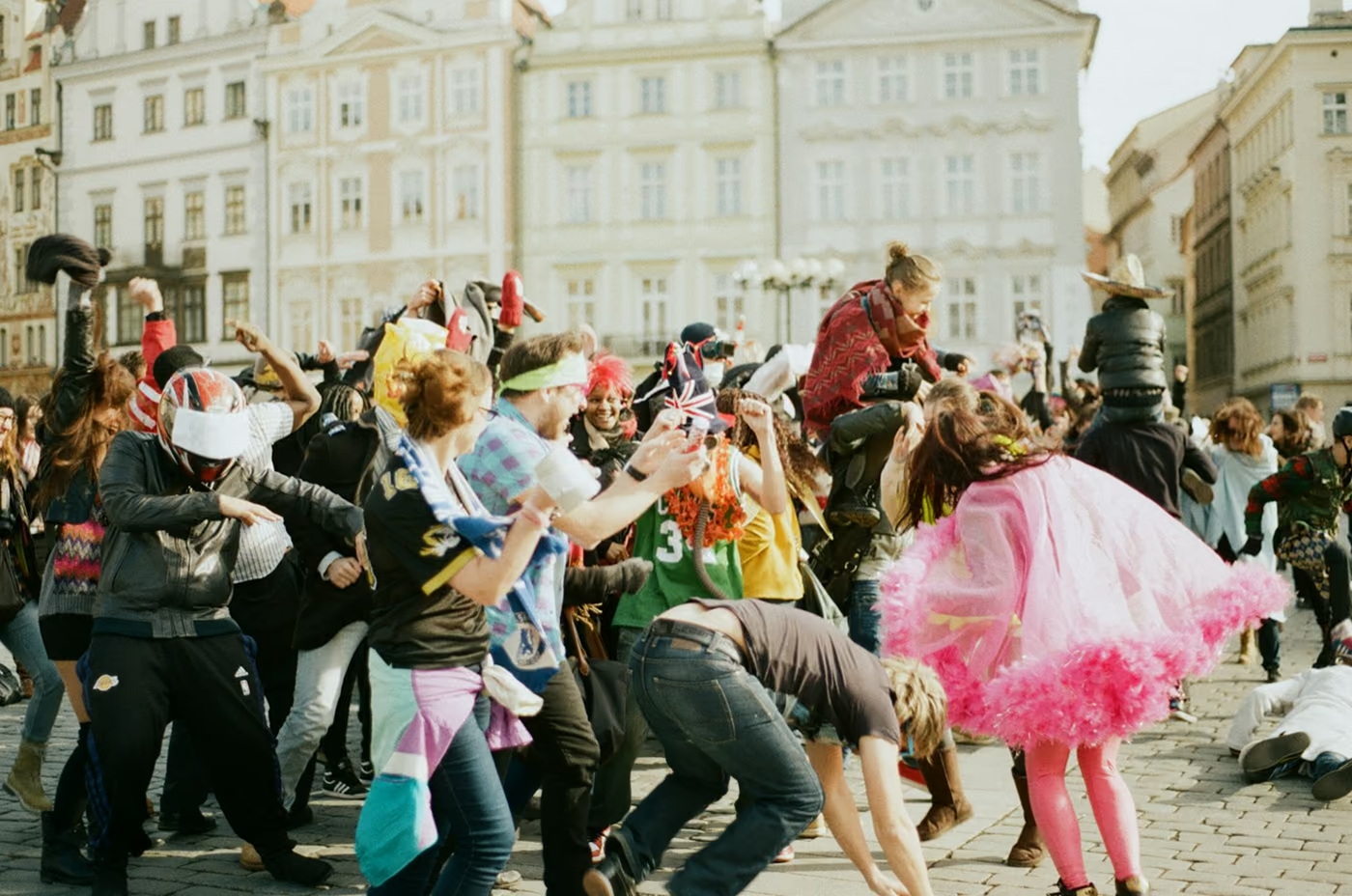
Playful marketing stunts: twelve examples and when they work
A playful stunt works when people take part themselves and then talk about it afterwards. Twelve examples, the conditions, and what you need to arrange with the municipality.
Read article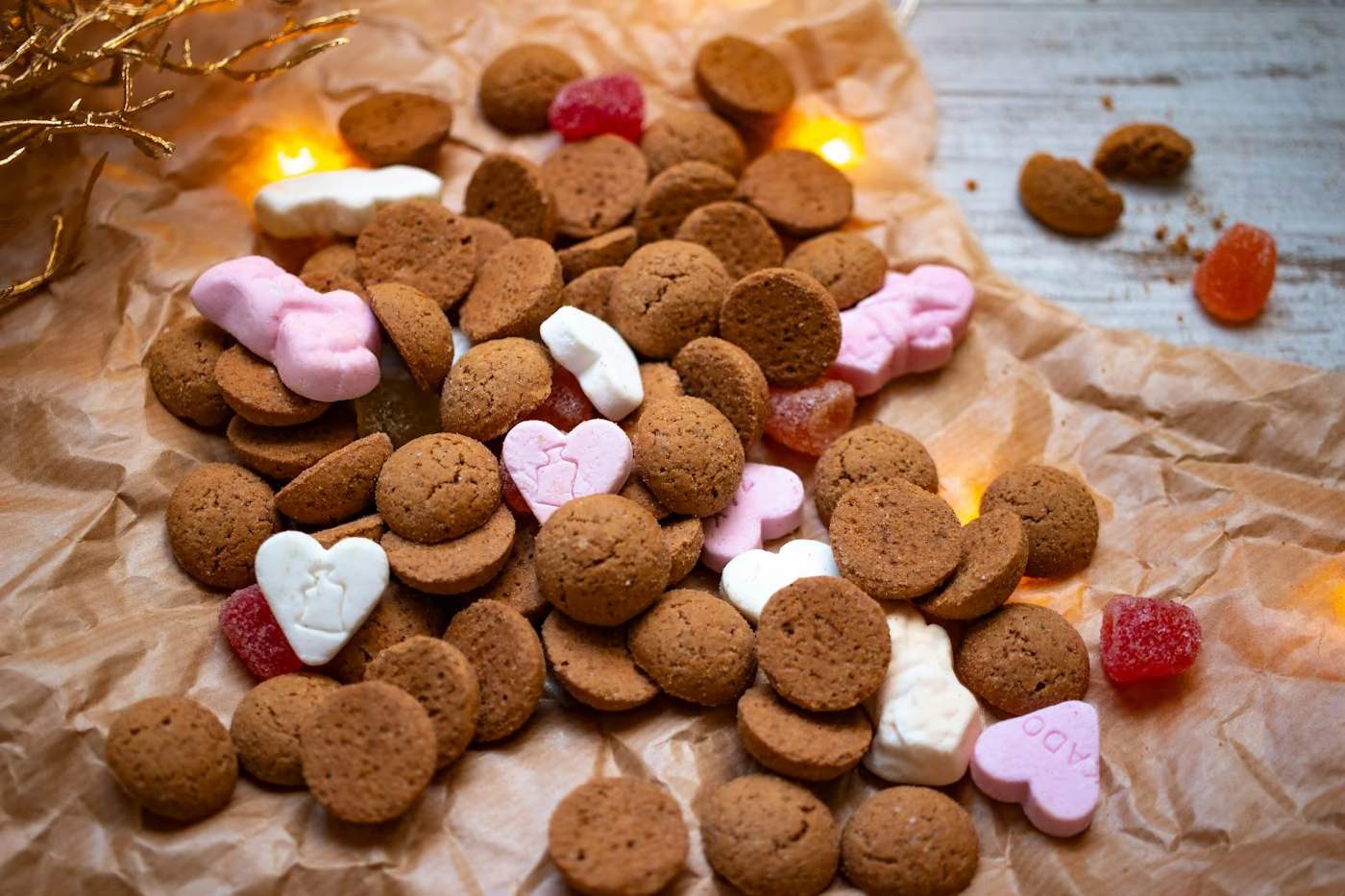
Sinterklaas games for children: Piet gym, Piet diploma and more
A Piet gym using things from around the house, a Piet diploma to make yourself and five Sinterklaas games for indoors.
Read article
Christmas quiz questions with answers: 100 questions in five rounds
One hundred questions with answers in five rounds of twenty, plus how to set up the quiz and how to make it personal with a round about your own year.
Read article
Sinterklaas quiz with answers: 40 questions in four rounds
Forty questions with answers about songs, sweets, the history of Sinterklaas and the Sinterklaasjournaal, plus tips for playing the quiz.
Read article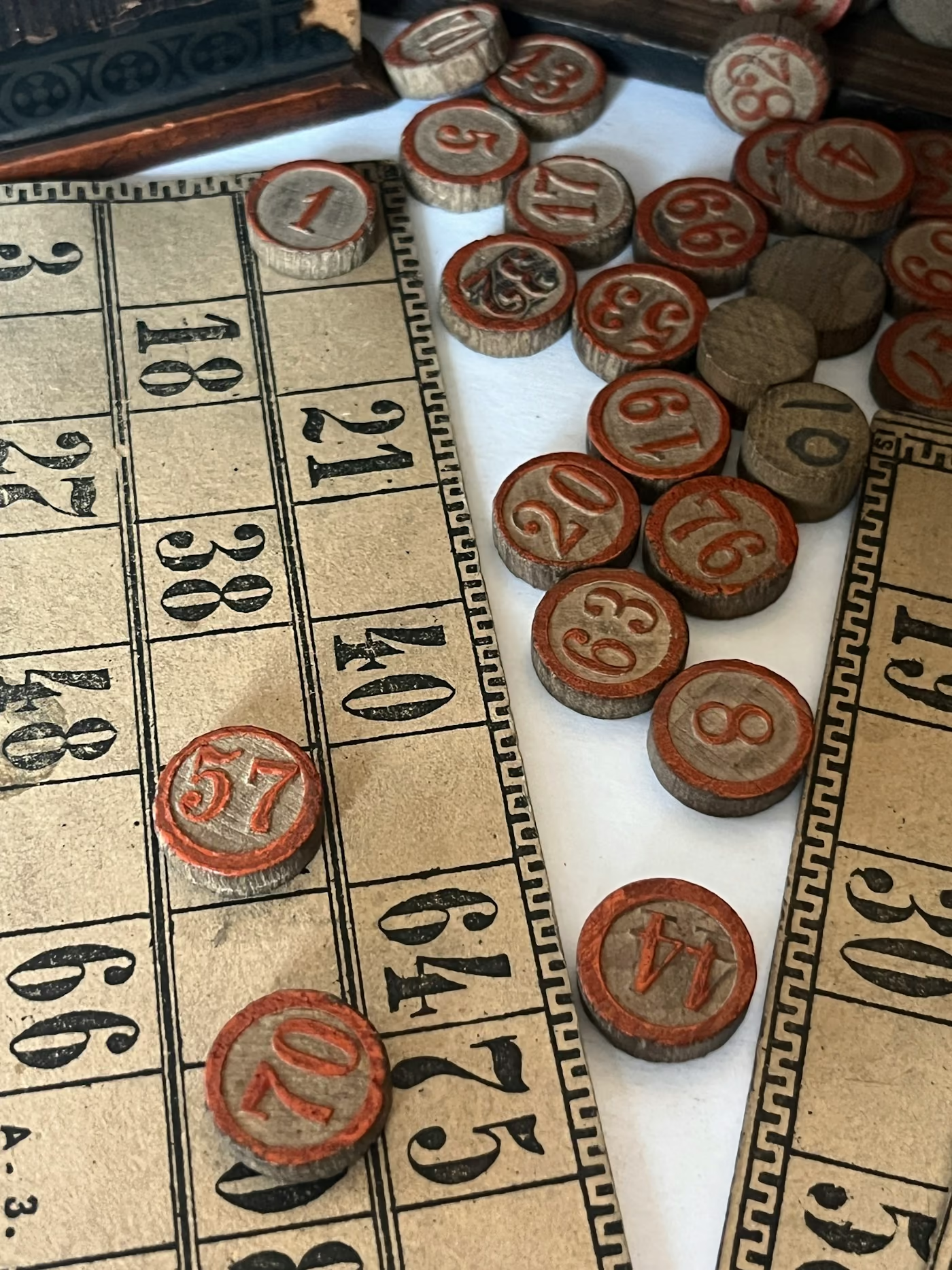
Making Christmas bingo: 50 Christmas words, 30 Christmas hits and a sample card
Word or music bingo, fifty Christmas words and thirty Christmas hits for the cards, a sample card and a set-up for three rounds.
Read article
Secret Santa with colleagues: rules, budget and three variations
How to set up Secret Santa at work, which agreements to make beforehand, three variations that make it more fun and gift ideas by budget.
Read article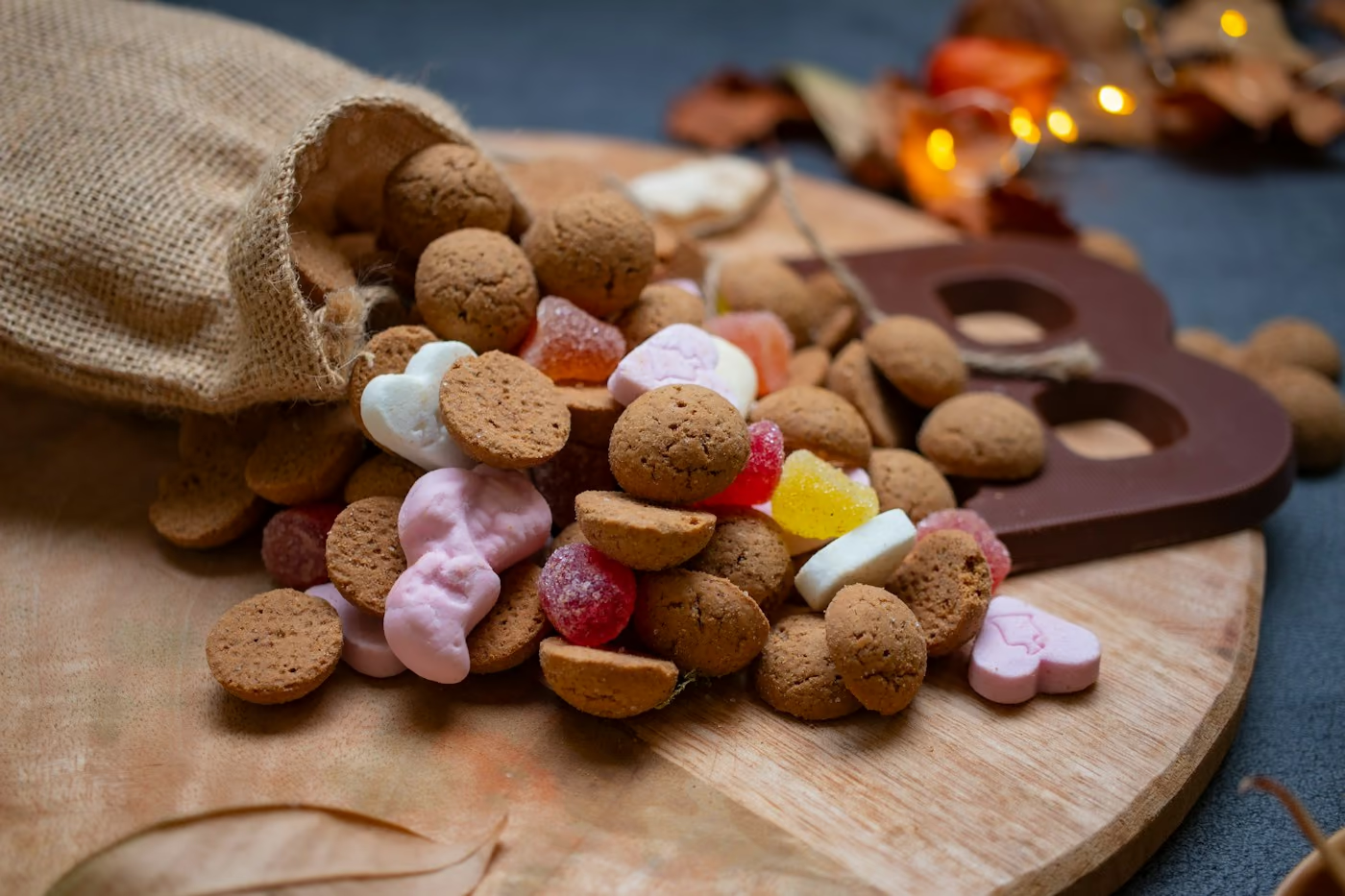
Sinterklaas games for adults: dice game, present-passing game and more
The rules of the dice game, a ready-made story for the present-passing game, steal or keep, and the poem quiz.
Read article
Life-size Stratego: rules, ranks and how to split them across a group
All the ranks and exceptions, how to divide the cards across your group, a set-up for an afternoon and the mistakes that make a game stall.
Read article
Ideas for a shop opening or reopening that draws people in
A ribbon and a glass of bubbles attract the neighbours, not your customers. Ten ideas for an opening that draws people in and brings them back, plus a timeline.
Read article
Life-size Game of the Goose: 70 tasks and the rules
Seventy tasks in five types, the familiar squares from the original board and a set-up for an hour of play with four teams.
Read article
Wie is de Mol tasks: 14 challenges for your own group
Fourteen challenges in which cooperating and sabotaging work against each other, with the set-up and materials for each and how to give the mole enough room to work.
Read article
Crazy 88 tasks: 64 tasks with points and materials
Sixty-four tasks, grouped into town, group, creative, dare and photography tasks, with the points and materials for each task. And how to keep the list fair.
Read article
Pub quiz questions with answers: 120 questions in six rounds
One hundred and twenty questions with answers in six rounds of twenty, with a mix of difficulty in each round. Plus the scoring, the marking and a running order for two hours.
Read article
Brand activation: what it is and examples that work
Advertising makes people look, an activation makes them do something. What brand activation is, five forms with examples, and where it goes wrong in practice.
Read article
How many hosts do you need for a group activity
Don't calculate per participant but per element. The ratios by group size and by activity, plus what falls apart in practice if you plan too tightly.
Read article
Company outing cost per person: what the price depends on
Most of the cost doesn't move with the number of participants. What the price really depends on, with ranges and three worked examples.
Read article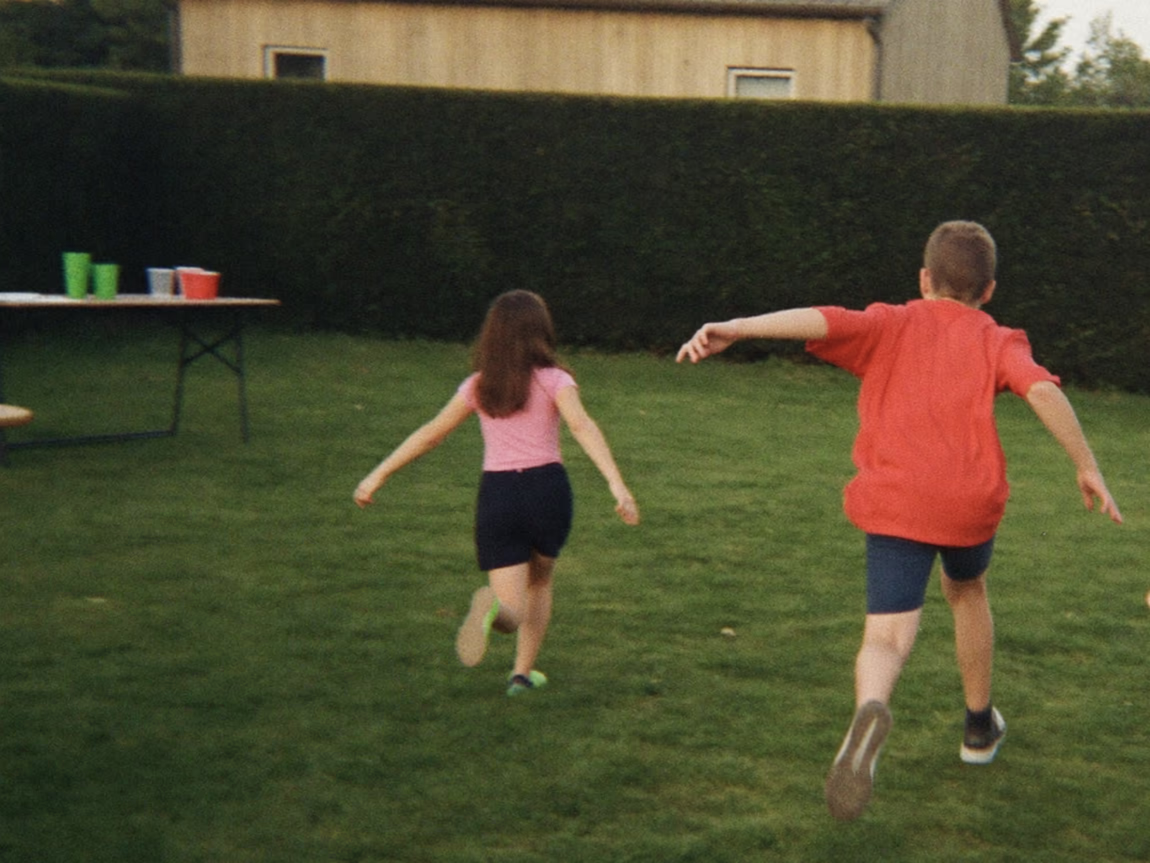
Ren je Rot questions: 70 multiple-choice questions with A, B and C
Three zones, three answers and a group that has to choose. Seventy questions at three levels, with the rules for writing them and a playing schedule.
Read article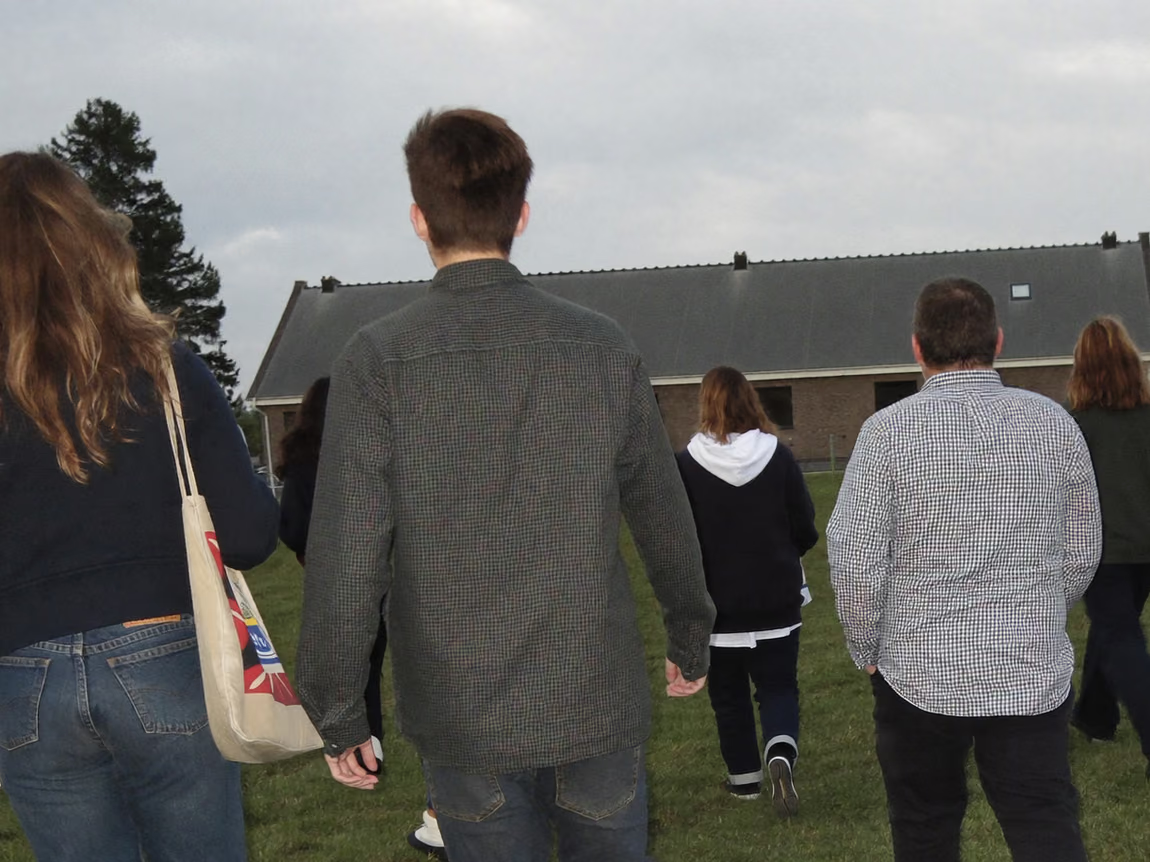
12 team games day activities that work, with materials and duration
There are plenty of lists of game names. Here you'll find, for each activity, what you need, how long it takes, which group it suits and how to keep it fair.
Read article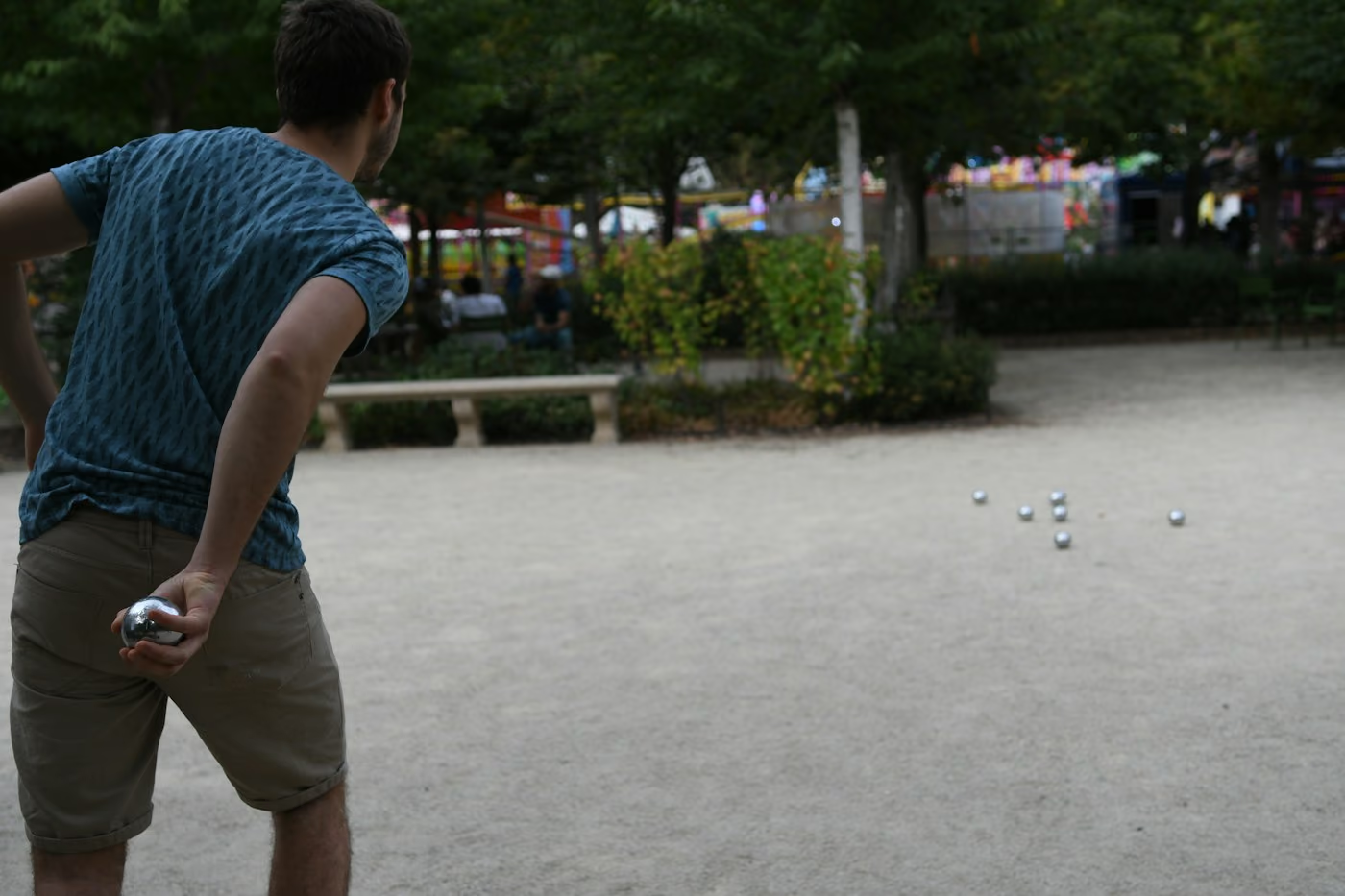
Pétanque tournament schedule for 8, 12 and 16 teams
Everyone learns the game in five minutes, the schedule is the work. Ready-made pool layouts for 8, 12 and 16 teams, with scoring and timing.
Read article
A bespoke game show for a group
The difference between a quiz out of a box and a show built around your group. How to split teams, what you need and from how many people it pays off.
Read article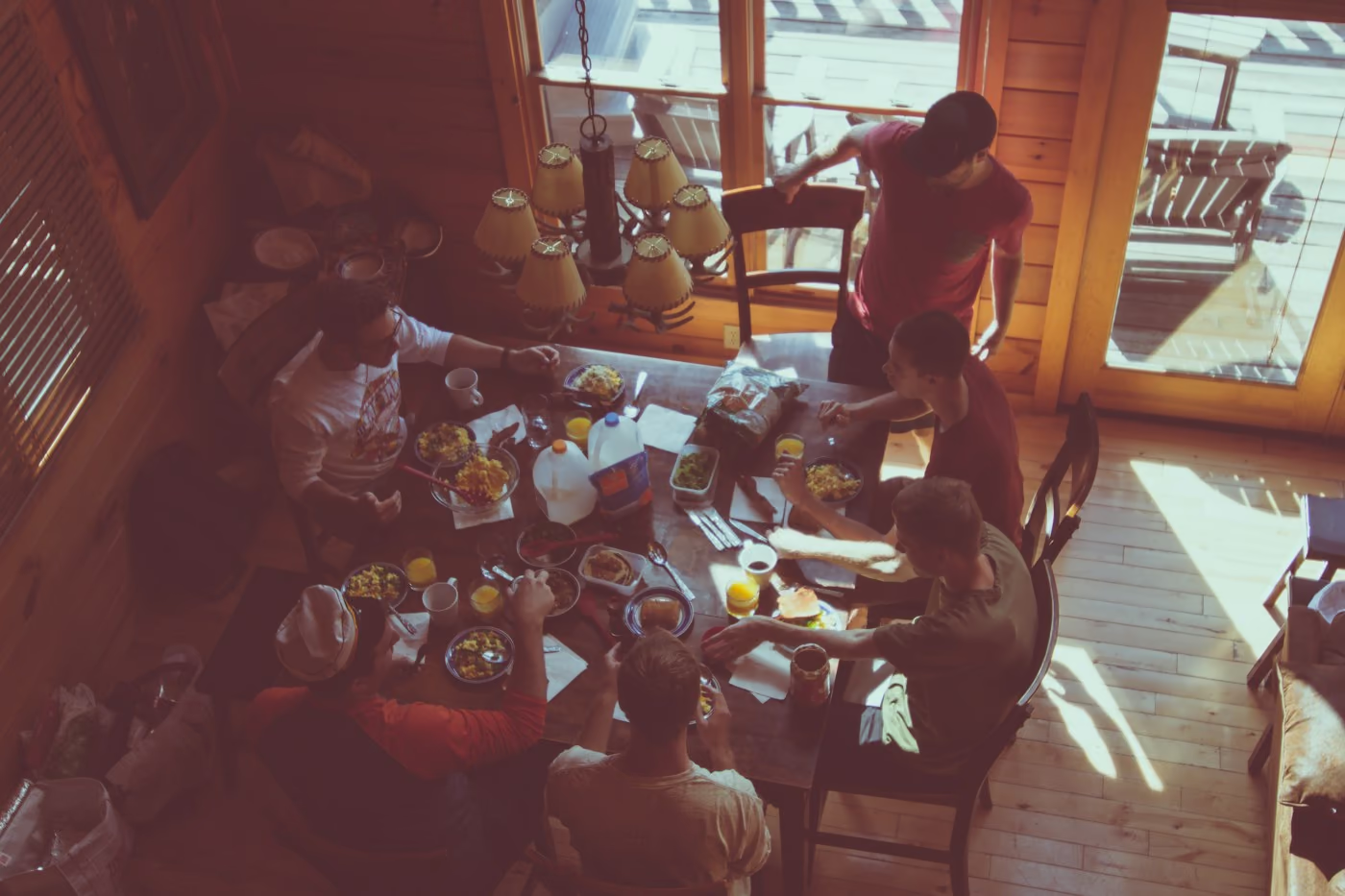
Organising a friends' weekend with a large group
A weekend isn't a long day. How to divide four parts of the day, why the organising belongs with a small group, and what works for people who have known each other for twenty years.
Read article
Hen and stag party tasks that actually work
A list of fifty tasks doesn't make a day. Which tasks suit the guest of honour, how to build up the afternoon, and where to draw the line.
Read articleOrganising a staff party: the evening in four blocks
At half past ten, three departments are standing in three corners, just like at the office. How to prevent that: the evening in four blocks, with budget and timeline.
Read article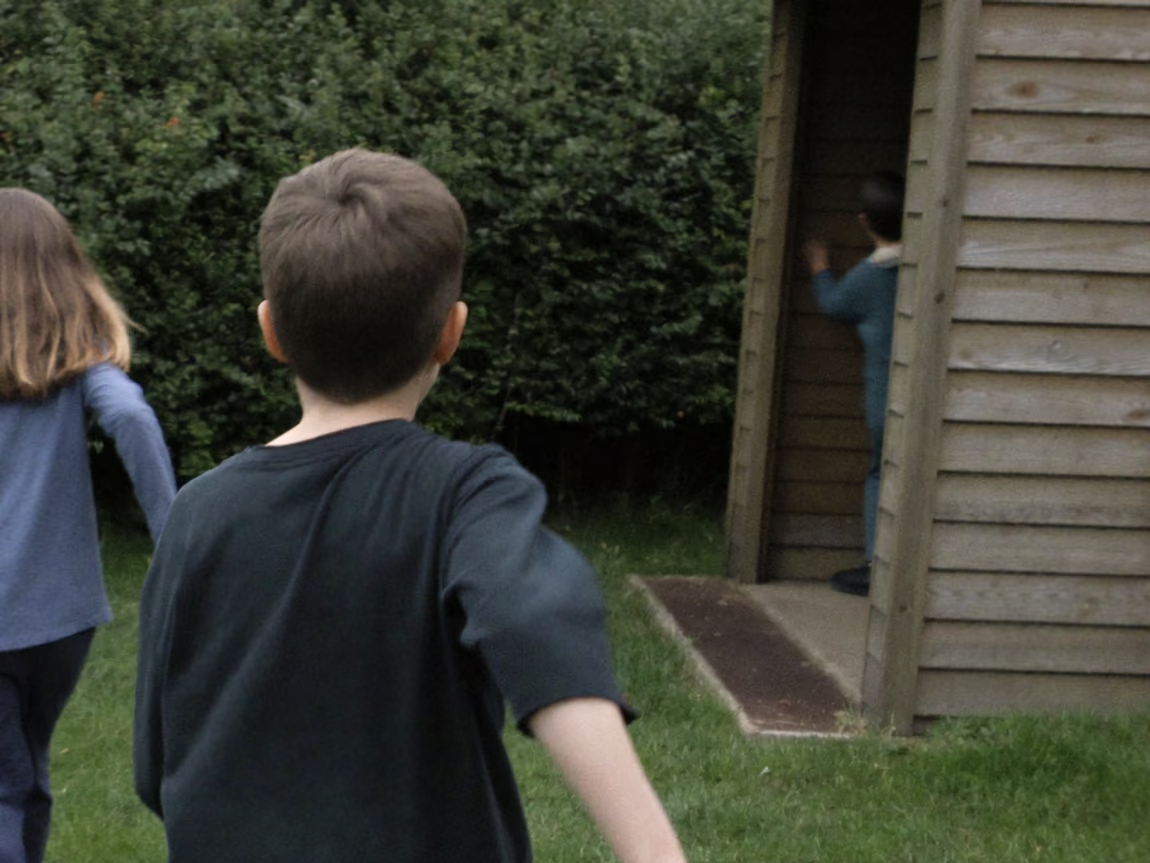
Organising a children's party: ideas by age and budget
What works at 5 is deadly boring at 11. Ideas by age group, the right duration, a realistic budget and the classic planning mistakes.
Read article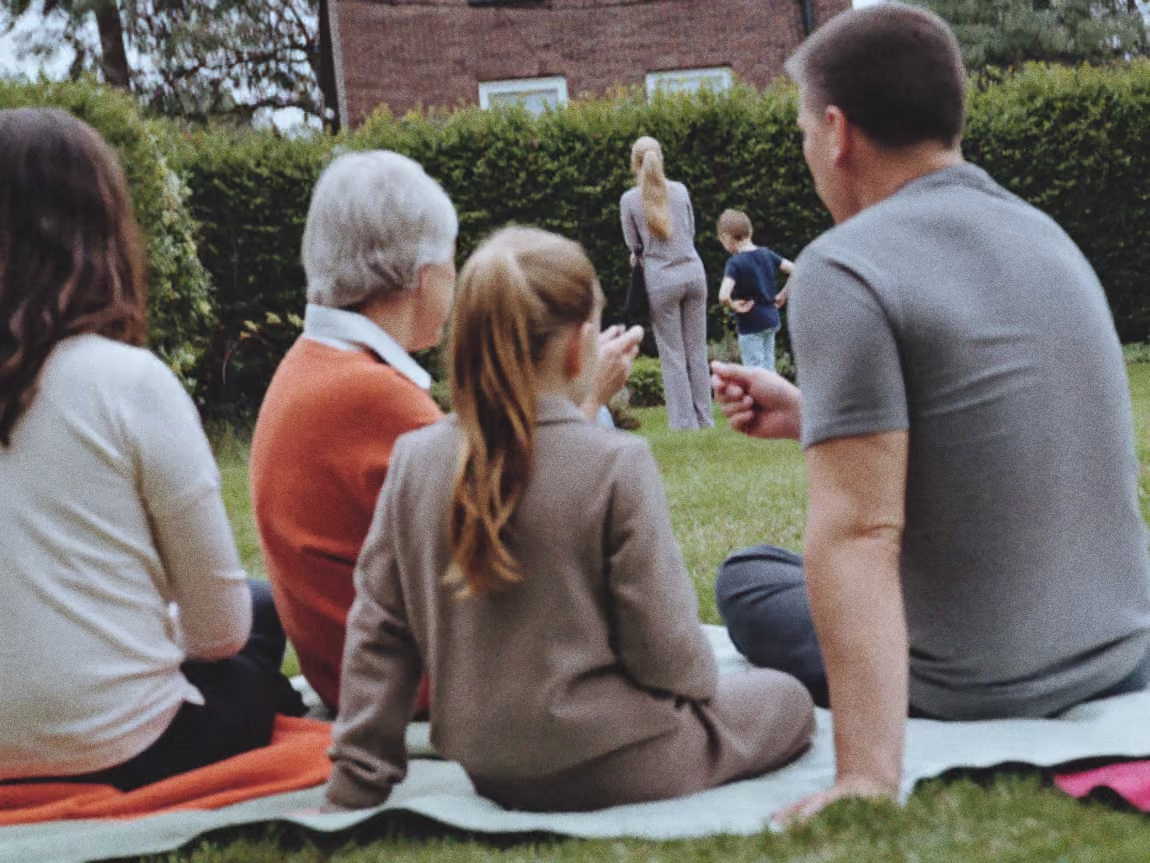
Organising a family day that everyone enjoys
The hardest part of a family day: entertaining four generations at once. A step-by-step plan with a timeline, budget and the pitfalls that quietly make the day fall apart.
Read articleTop 10 company outings: which format suits which group
Not ranked by how fun they are but by something more practical: how likely it is that the whole group will think it was a success afterwards.
Read article
Team outing with a small team: what changes below fifteen people
With eight people, nobody can hide. That makes the choice of format more important than with forty, and competitive formats drop out straight away.
Read articleOrganising a team games day: activities, teams and scoring
Six activities, fixed teams and a scoreboard. The format works by itself, as long as the rotation schedule is right and not everything depends on fitness.
Read article
Company outing in winter: plan around light and warmth
It's dark by half past four and after half an hour the cold matters more than the game. How to build a winter programme that simply takes this into account.
Read article
Organising a day out with friends that actually goes ahead
A day out with friends rarely fails over money or ideas, but over decision-making. How to pick a date, who decides and what suits which group.
Read article
Exhibition stand ideas: twelve examples that start conversations
A beautiful stand with no interaction gets glances and no conversations. Twelve ideas, examples by industry, a checklist and what goes wrong in practice.
Read article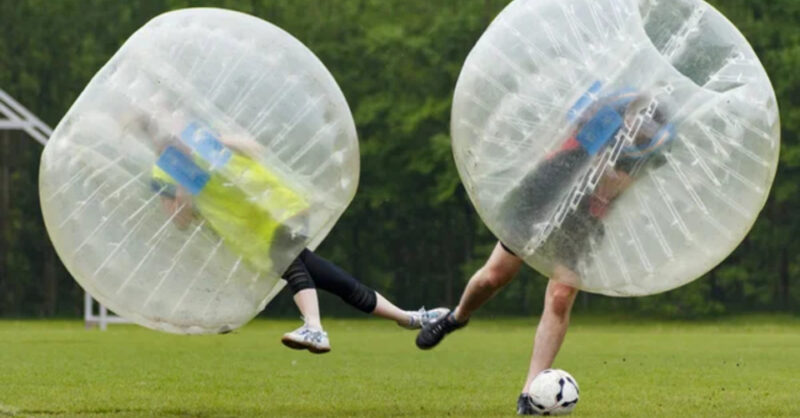
Planning a stag do
This day rarely fails because of a bad idea, but because of too little planning. Two fixed blocks, starting early, and the drinks only as the finale afterwards.
Read article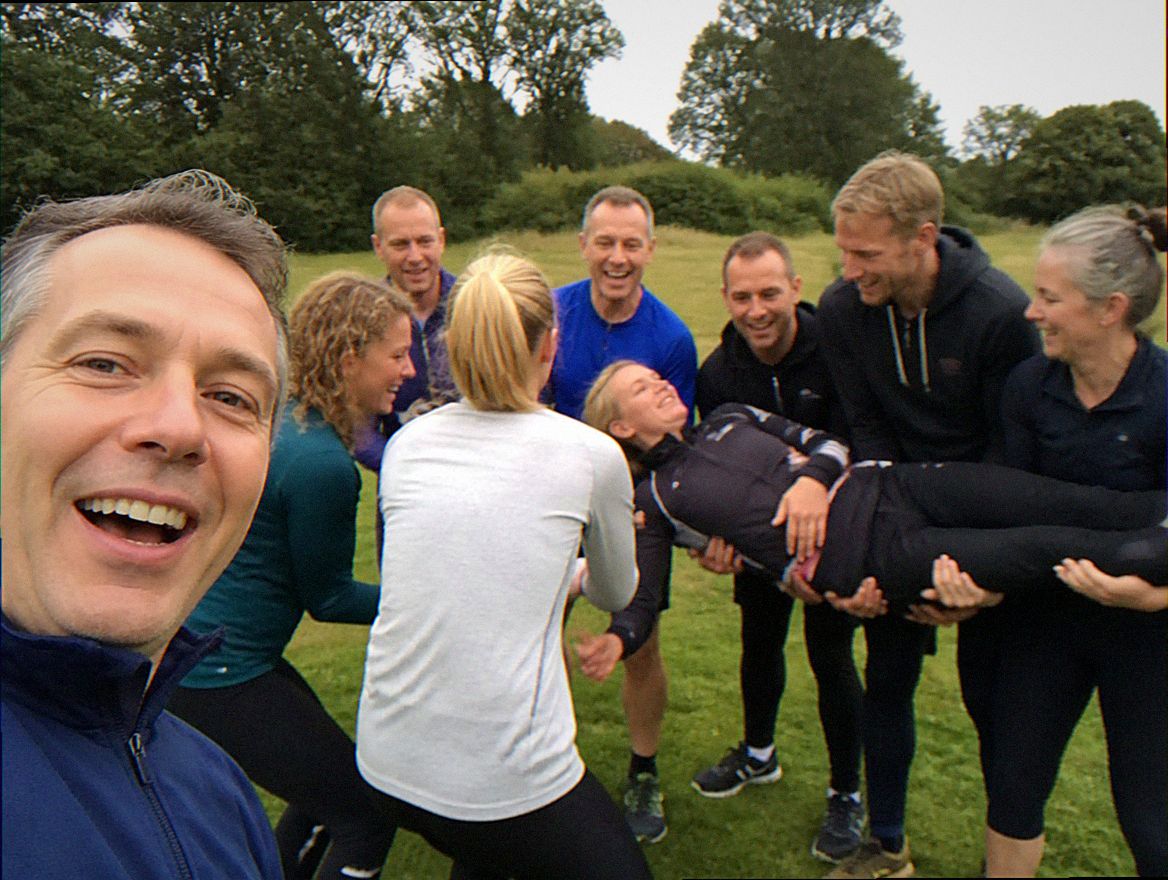
Team building exercises that actually get things moving
An exercise only works if nobody can finish it on their own. Formats for different situations, with the duration and the exercises you're better off skipping.
Read articleOrganising a hen party
The hardest part isn't the programme but the group: friends, colleagues and in-laws all mixed together. Here's how to build the day without splinter groups.
Read articleCompany outing for a large group: what changes above fifty
Above fifty participants, waiting time is the real problem, not the game. Which formats scale, how many hosts you need and what it costs.
Read article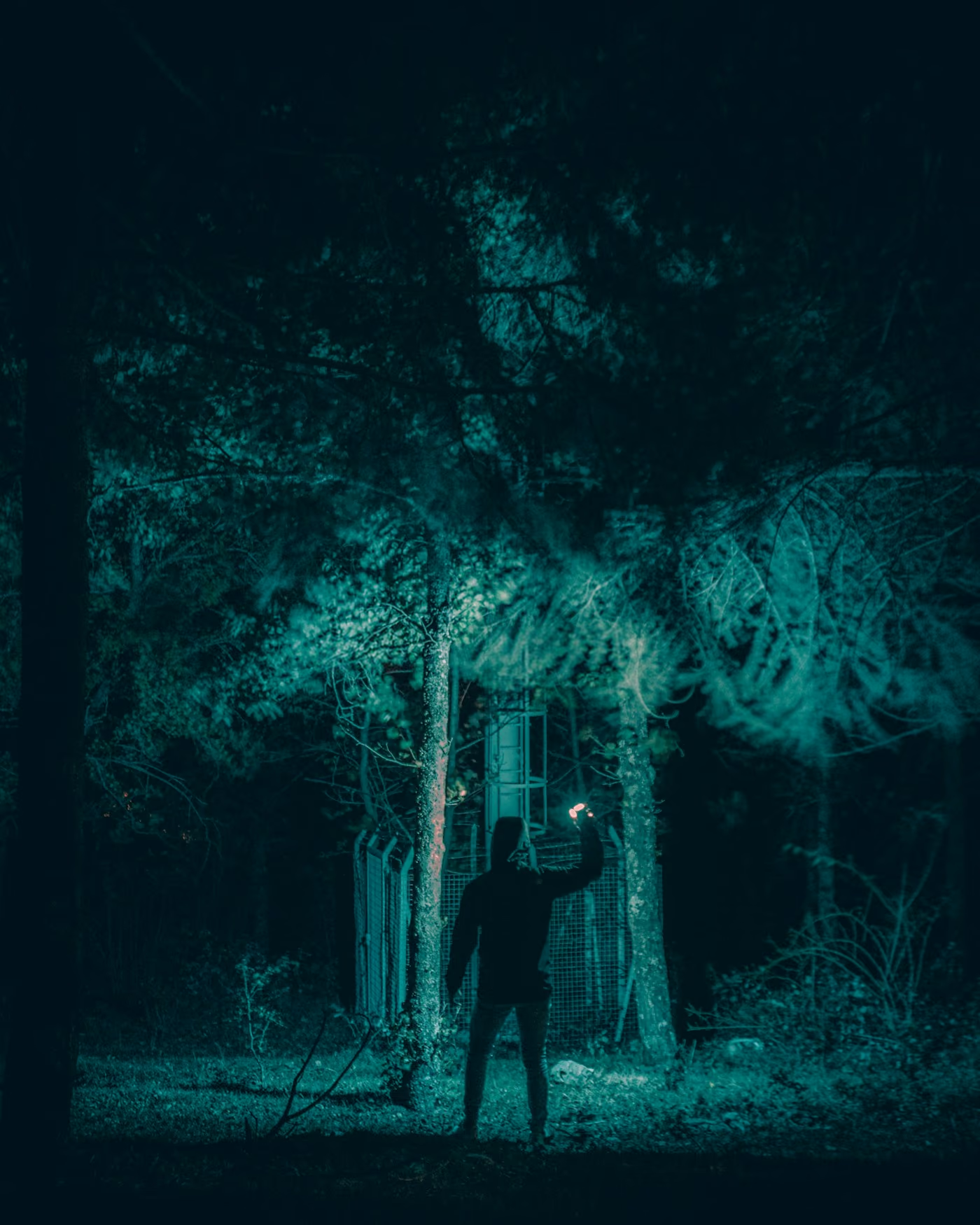
Organising a dropping: route, safety and rules
Dropping a group off and letting them find their own way back sounds simple. Where it goes wrong is in the route length, visibility and the rules after sunset.
Read article
Running your own pub quiz: the complete set-up
A pub quiz rarely falls apart because of the questions. It falls apart around round five, because of the pace. The complete set-up, plus how much preparation it takes.
Read article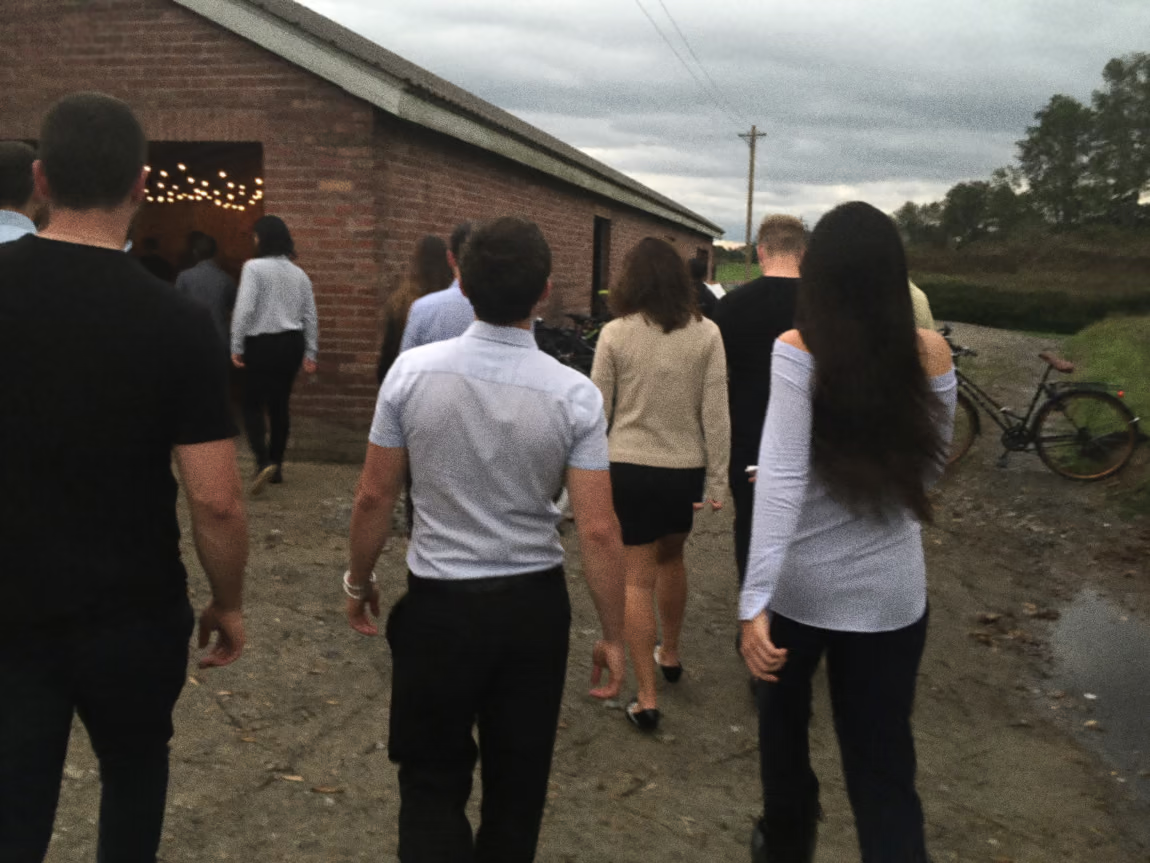
Department outing or team day: which to choose, and when
Too serious for an outing, too casual for a team day. The difference between the two, when to choose which, and the five mistakes that cost you the day.
Read article
Organising Christmas drinks: from date to running order
A room with high tables is fine, but in January nobody remembers whether it was this year or last year. How to make that evening actually deliver something.
Read articleAn active company outing the whole group joins in
Active means something different to everyone, and that's where it goes wrong. Where participants quietly drop out, which formats do work, and what it costs.
Read articleGroup games for a large group of adults
A game that works with eight people falls apart with thirty. Which formats do scale, how to split teams and what keeps a large group together.
Read article
Celebrating a company anniversary without half the room switching off
At an anniversary, half the room doesn't know anyone in the old photos. How to look back in a way the newcomers can really join in with too.
Read articleHow to draw visitors to your exhibition stand
A full aisle, visitors in a hurry, and you want them to stop at your stand in particular. Nine tactics that work in practice at Dutch B2B trade shows.
Read articleStaff outing ideas that stick
Most staff outings feel like an obligation. Fourteen ideas that do stick, sorted by group size, budget and goal.
Read article
Product launch ideas that do reach a B2B audience
Most B2B product launches disappear into a press release and a one-off LinkedIn post. Eight formats that do have an impact, with budget and planning.
Read articleLead generation at trade shows: from scan to appointment
A stack of business cards is not lead generation. How to get from scan to appointment at a trade show, with the seven steps and conversion benchmarks for B2B in the Netherlands.
Read article7 original team building ideas that work
Escape rooms and bowling are tried and tested, but after a week the effect has worn off. Seven concepts with lasting impact, plus guide prices and pitfalls.
Read articleWhat an interactive exhibition stand costs in 2026
Agencies quote prices between €500 and €50,000, and what you get for it varies enormously. What does the cost structure actually look like?
Read article
Gamification for brands: when it works and when it doesn't
Not every quiz or leaderboard is gamification, and not every gamification works. Six mechanics that do pay off, with examples from Dutch practice.
Read article